
Cast Iron Pipe Replacement in Jupiter, FL
Cast iron sanitary sewer lines installed under pre-1975 concrete foundations in Jupiter suffer internal channeling, scale buildup, and bottom rotting. Discover non-invasive high-definition video camera diagnostics, trenchless epoxy pipe lining, and structural replacement solutions.
Experiencing recurrent drain backups or sewer odors?
Deteriorating cast iron beneath your foundation can cause sub-slab soil washouts. Speak directly with a specialist today.
Aging Cast Iron Drains Beneath Pre-1975 Jupiter Foundations
In older established Jupiter neighborhoods, vintage mid-century homes constructed prior to 1975 utilized heavy cast iron piping for sanitary waste, vent, and sewer drainage. While cast iron was regarded as a durable, heavy-duty material at the time of construction, its expected lifespan in South Florida rarely exceeds 40 to 50 years. Consequently, virtually all original under-slab cast iron systems in Jupiter have exceeded their engineered operational life.
Unlike pressurized copper supply lines, sanitary drain lines operate by gravity. However, when an under-slab drain fails, raw wastewater escapes directly into the soil supporting your concrete slab. Over time, recurring drain seepage washes away sub-slab fill, creating large structural voids beneath the slab that can lead to foundation subsidence, cracked flooring, and persistent health hazards.
Managing this critical issue requires comprehensive cast iron pipe replacement Jupiter expertise to inspect, diagnose, and rehabilitate subterranean drainage networks before complete collapse occurs.
How Cast Iron Deteriorates in Florida Coastal Soil
Cast iron pipes beneath concrete slabs deteriorate through a continuous chemical and physical process known as tuberculation and channel rot:
- Hydrogen Sulfide Gas Oxidation: Sewer gases contain hydrogen sulfide produced by organic decomposition. Bacteria living on the upper interior surface of the pipe oxidize this gas into sulfuric acid, eating away the top crown of the cast iron pipe.
- Channeling of the Pipe Bottom: The abrasive action of wastewater, cleaning detergents, and solid waste flowing along the base of the pipe gradually wears a trench along the pipe invert. Eventually, the entire bottom of the pipe rots away completely, leaving sewage to flow directly over raw sand.
- Internal Rust Tuberculation and Scaling: As iron oxidizes, rust blossoms inward, creating rough, jagged jagged protrusions along pipe walls that snag toilet paper, grease, and hair, leading to chronic backups.
- External Ground Moisture Attack: Jupiter's high coastal water table and porous sandy soils expose the exterior of unlined cast iron pipes to continuous moisture and soil minerals, rusting the pipe from both inside and outside simultaneously.
Warning Signs of a Failing Cast Iron Drain Under Slab Jupiter
Chronic, Multiple Drain Backups
If plunging or snaking one fixture causes wastewater to burp or backup into an adjacent shower, bathtub, or floor drain, the main under-slab cast iron trunk line is constricted with severe scaling or collapsed sections.
Persistent Sewer Gas Odors
Smelling rotten egg or sewer gas odors inside bathrooms, laundry rooms, or across exterior patios indicates that sewer gas is venting through cracked or rotted pipes beneath the foundation slab.
Slow Draining Fixtures
Sinks and tubs taking minutes to empty even after localized P-traps have been cleared points to heavy internal rust buildup reducing a four-inch pipe to an opening smaller than an inch.
Pest and Drain Fly Infestations
Phorid flies or drain flies breeding around baseboards or emerging from plumbing fixtures are attracted to moist sewage accumulation sitting in the sub-slab soil beneath rotted pipe channels.
Diagnostic Camera Inspection and Hydrostatic Drain Testing
Accurate evaluation of a sewer line under slab Jupiter home begins with non-destructive diagnostic imaging and pressure testing:
- High-Definition Video Camera Inspection: A self-leveling fiber-optic color camera is fed through an accessible cleanout or roof vent. As the camera travels through under-slab drains, high-intensity LED lights illuminate pipe walls. The technician and homeowner view real-time footage revealing internal scaling, bottom channeling, cracks, root intrusion, and collapsed segments.
- Radio Sonde Locating: The camera head contains a radio transmitter (sonde). A handheld receiver above ground maps the exact depth and trajectory of the damaged drain line through the concrete floor.
- Hydrostatic Testing: An inflatable test ball is inserted into the main sewer line at the property perimeter. The drain system is filled with water to floor level and monitored. If the water level drops, it conclusively confirms that wastewater is escaping under the foundation.
Repair and Replacement Approaches: Trenchless Lining vs. Replacement
Modern plumbing technology offers several approaches for restoring compromised under-slab drainage systems without completely destroying your home:
Cast Iron Pipe Lining Jupiter (CIPP)
Cured-In-Place Pipe (CIPP) lining is a non-invasive trenchless restoration method. Technicians mechanically descale and hydro-jet the old cast iron pipe to remove rust and restore diameter. A flexible epoxy-saturated felt tube is inverted through the pipe and inflated. Once cured, it forms a rock-solid, jointless "pipe within a pipe" with a 50-year design life—completely bypassing the need to break concrete floors.
Precision Sub-Slab Tunneling
When the pipe has structurally collapsed and cannot accept a liner, skilled crews can hand-tunnel horizontally beneath the foundation slab from exterior access pits outside the home. Workers replace the rotted cast iron with modern PVC piping entirely from beneath, leaving indoor flooring completely untouched.
Interior Slab Trenching
If tunneling is hindered by grade beams or interior layout, technicians saw-cut clean, narrow channels through concrete flooring directly above the drain line, excavate the rotted iron, install Schedule 40 PVC, backfill with compacted gravel, and pour new concrete flush with the floor.
Distinguishing Drain Leaks from Potable Water Supply Leaks
It is important to recognize how drain leaks differ from pressurized supply leaks. Supply line leaks spray continuously under 50-70 PSI municipal pressure, causing water meters to spin and hot spots to develop. Sanitary drain leaks only release wastewater when fixtures are actively used, rarely show up on a water meter, and undermine foundation soil through quiet, slow erosion over months or years.
Related Foundation Plumbing Services in Jupiter
Explore related diagnostic and restoration capabilities for your home:
Slab Leak Repair in Jupiter
Review comprehensive diagnostic approaches, warning indicators, and shutoff guidance for foundation plumbing.
View Homepage Overview →Slab Leak Detection
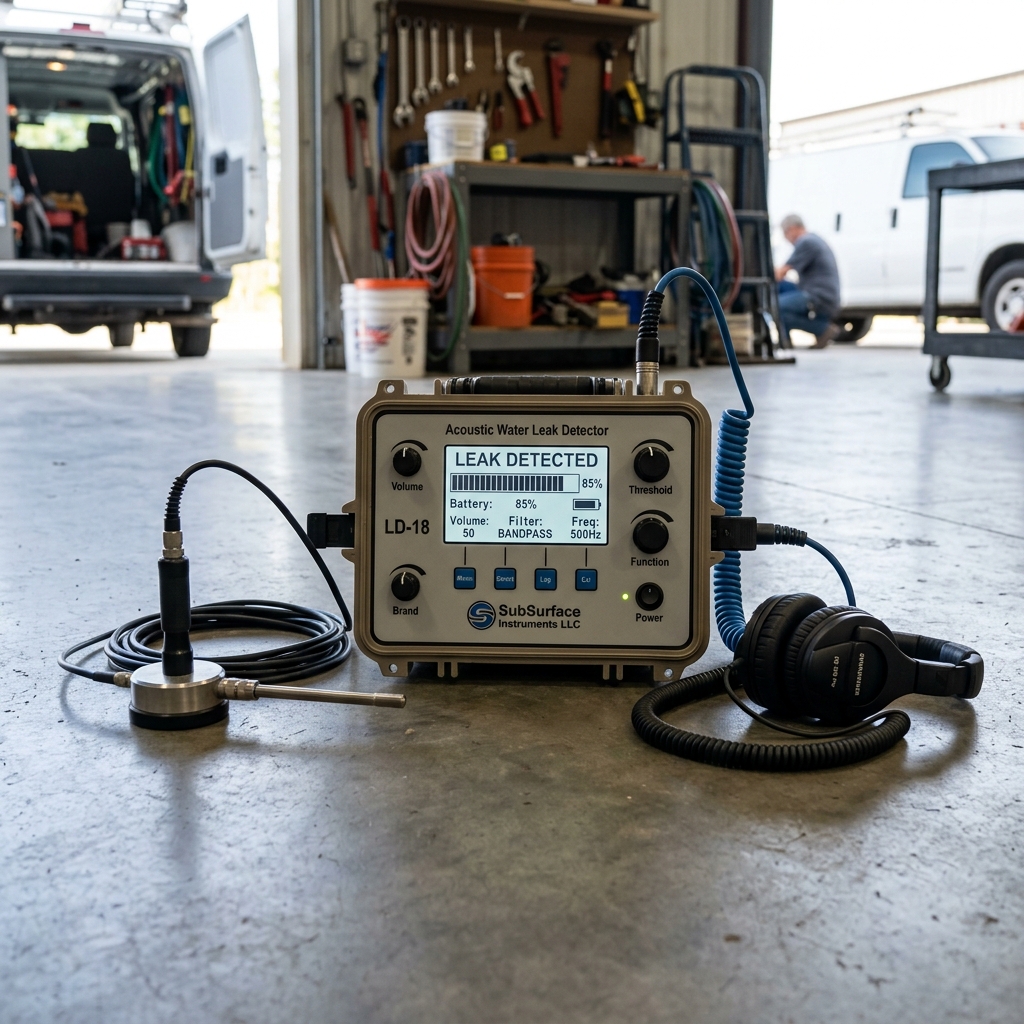
Learn about electronic acoustic listening and non-invasive detection for pressurized water line breaches.
Discover Slab Detection →Whole-House Repiping
Replace compromised domestic water supply lines with modern overhead PEX piping to prevent future leaks.
View Repiping Solutions →Jupiter Service Areas
Review our neighborhood coverage across Abacoa, Jupiter Farms, Admirals Cove, and adjacent coastal areas.
Check Service Areas →Worried about aging cast iron drains under your slab?
Schedule a high-definition video camera inspection to evaluate your pipes. Call our Jupiter team today.